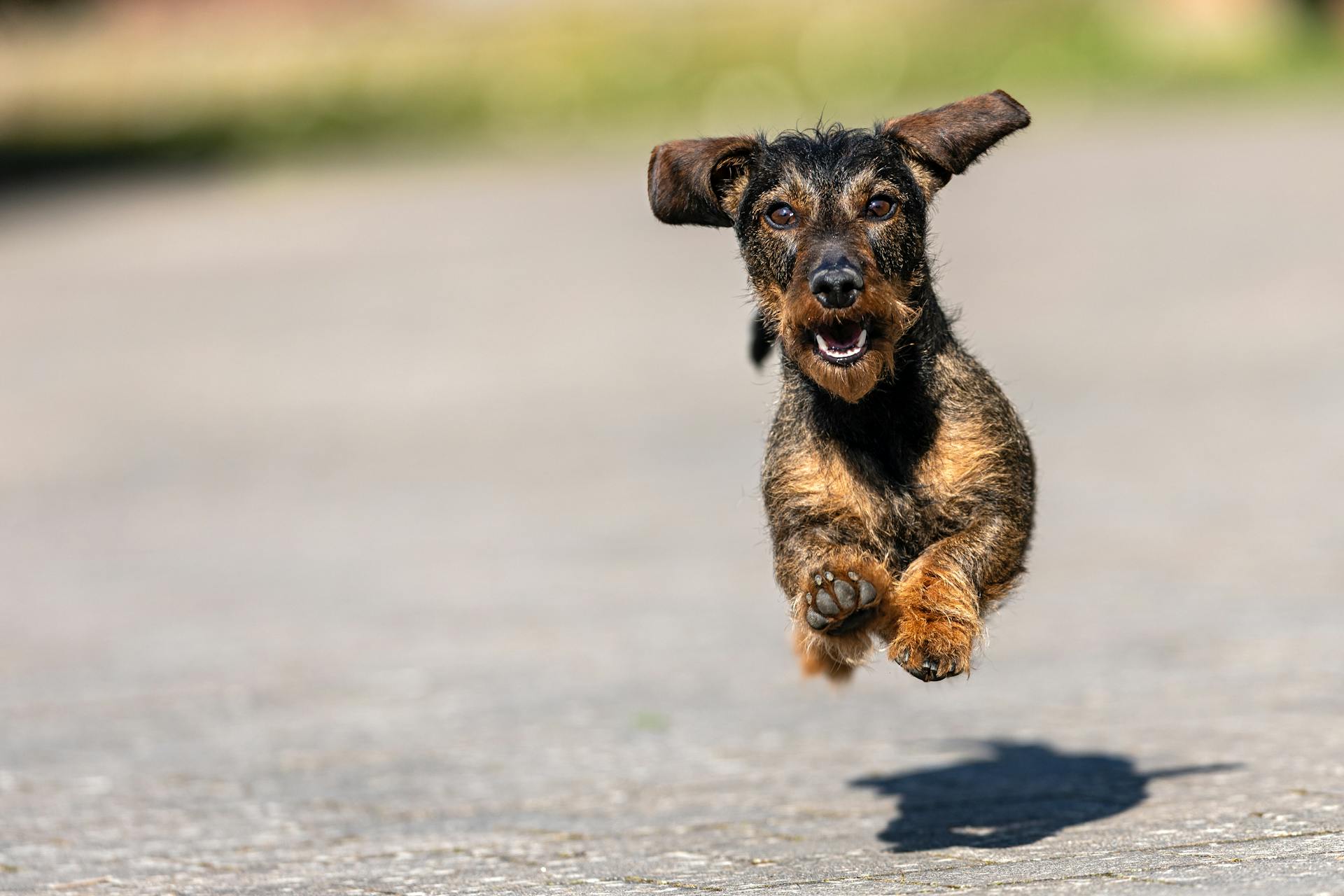
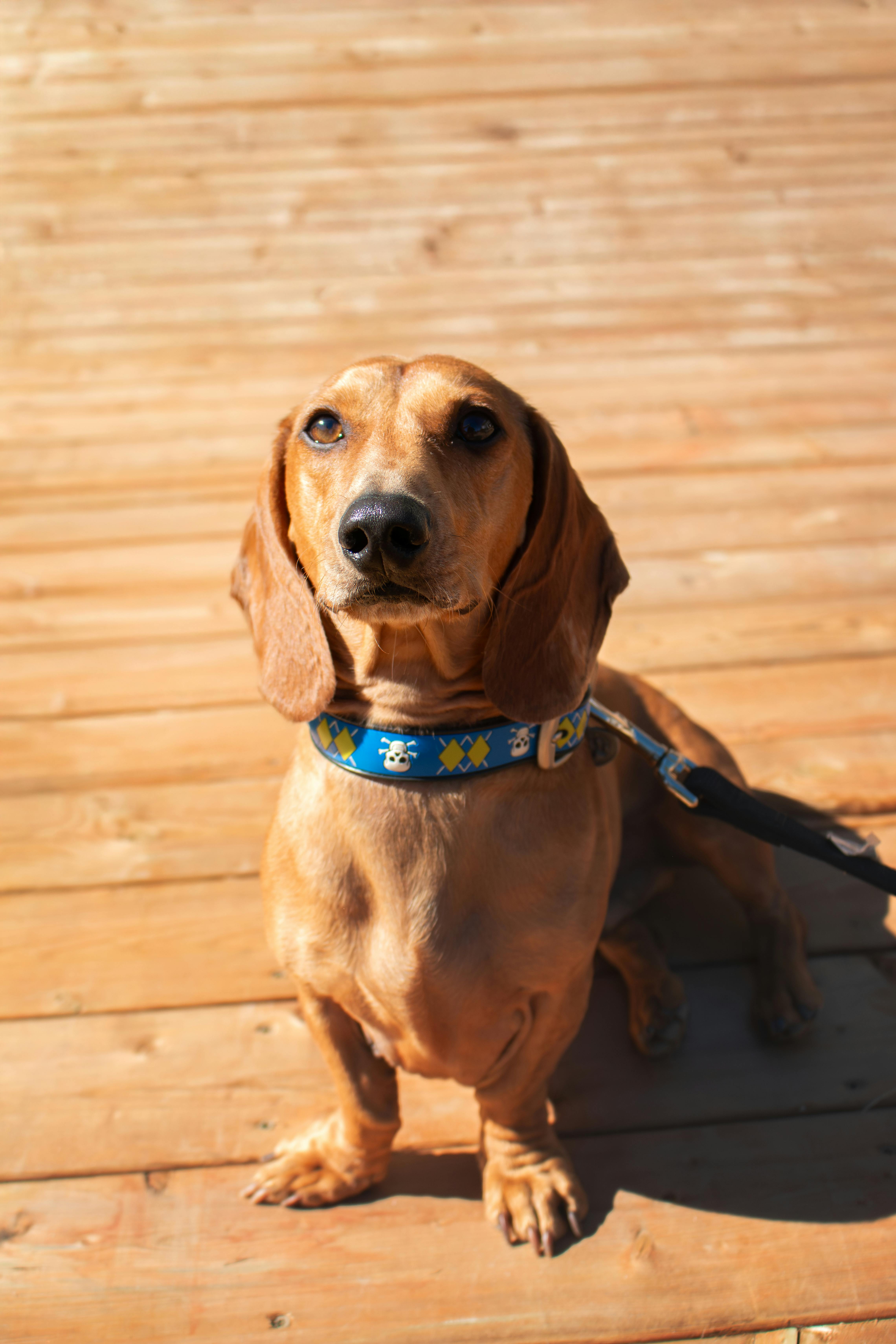
Dog Crocs have taken social media by storm, popping up in memes and reels like a parade of tiny, plastic-footed pups.
But as silly as they might look, they’ve become a real talking point for dog lovers who spend a lot of time outdoors. So what’s the deal with these brightly colored, hole-punched shoes for dogs?
Here’s a closer look at why dog shoes aren’t just a passing joke, but a practical option for paw protection.

The Origin of Dog Crocs
Dog Crocs didn’t come out of nowhere. Their rise can be traced to the popularity of Crocs for humans—footwear that, despite relentless teasing, won over millions thanks to comfort, breathability, and convenience.
Some companies leaned into the humor while others started designing functional versions. Brands now sell dog Crocs with adjustable straps, paw-friendly lining, and rubber soles that grip a variety of surfaces. The trend is still playful, but for outdoor enthusiasts, hikers, and travelers with dogs, the practical side is becoming harder to ignore.
Do Dogs Really Need Shoes?
Before we talk more about dog Crocs specifically, it’s worth addressing the bigger question: should dogs even wear shoes? While dogs have evolved with durable paw pads, they’re still vulnerable to heat, cold, sharp rocks, broken glass, and road salt. Vets have long recommended booties in extreme environments. Unlike humans, dogs don’t always show discomfort in obvious ways, so it’s on us to pay attention.
Dog Crocs are lightweight and breathable, making them ideal for short outdoor excursions on hot pavement or rough trails. Some dog boots can be bulky or hot, but dog Crocs are easy to slip on and off, and many dogs tolerate them better because they feel less restrictive.
What to Look for When Buying Dog Crocs
Dog Crocs may look cute, but function should still come first. A good pair should stay on securely, not rub or pinch, and give your dog some traction. Here are a few features to look for:
- Fit and Sizing: Measure your dog’s paws when they’re standing. Look for models that offer a snug fit without squeezing the toes. Many brands use Velcro straps or soft elastic to keep the dog shoes in place.
- Material: Avoid hard plastic shells. Look for versions made from soft rubber or flexible EVA foam that mold slightly to your dog’s foot.
- Ventilation: The iconic holes in human Crocs aren’t just for show. Dog Crocs with holes or mesh panels allow airflow, helping keep paws cool.
- Ease of Use: You want something that goes on easily but stays put. Slip-on styles are convenient, but are more likely to slide off mid-walk.
When to Use Dog Crocs
Think of dog Crocs as a situational tool, like a raincoat or sun hat.
They’re especially helpful for:
- Hot summer days where pavement could burn sensitive paws
- Short walks through rocky areas
- Trips to the beach where broken glass might cut your dog’s feet
- Photoshoots or special occasions
We don’t recommend dog Crocs for intense activities like trail running or walking on icy streets. In those cases, opt for dog shoes specifically designed for that kind of support.
Shop Dog Shoes
At first glance, dog Crocs might look like a passing internet trend, but they’ve proven to be more than just a novelty item. Yes, they’re a little ridiculous. That’s exactly why we love them.
Ultimately, the best choice depends on your dog’s lifestyle. If you’re hiking ten miles through the mountains every weekend, go with something sturdier. But if your adventures include park picnics, sunny sidewalks, and days at the lake, you might be surprised by how well they work, and how many people stop to compliment your dog’s fabulous footwear.