Canicross can be a fantastic way to stay active and bond with your dog. Many breeds absolutely love it and thrive in this kind of high-energy sport. However, not every pup is built for running and pulling. Some may struggle due to their size, health, or even personality.
That’s why it’s so important to understand your dog’s individual needs before hitting the trail. Certain dogs are better off avoiding high-impact activities altogether, and in those cases, there are plenty of fun alternatives to help them stay happy and healthy.

1. Brachycephalic (Short-Nosed) Breeds Struggle to Breathe
Dogs with flat faces and short snouts—known as brachycephalic breeds—often have breathing difficulties. These dogs already struggle with airflow, and the added exertion of running can cause dangerous overheating and respiratory distress.
- Bulldogs (English & French)
- Pugs
- Boston Terriers
- Shih Tzus
- Pekingese
These breeds have narrowed airways and shortened nasal passages, making it hard for them to cool down efficiently. Even in cooler weather, intense exercise can be life-threatening for them.
Instead of running with your dog, these dogs do better with low-impact walks, mental stimulation games, and swimming (if they enjoy water).
2. Small Dog Breeds at a Size Disadvantage
While some smaller dogs enjoy running, toy breeds don’t have the physical build for pulling or maintaining a fast pace over long distances. Their small legs and light frames mean they’ll struggle to keep up, and they can tire out quickly.
- Chihuahuas
- Pomeranians
- Yorkshire Terriers
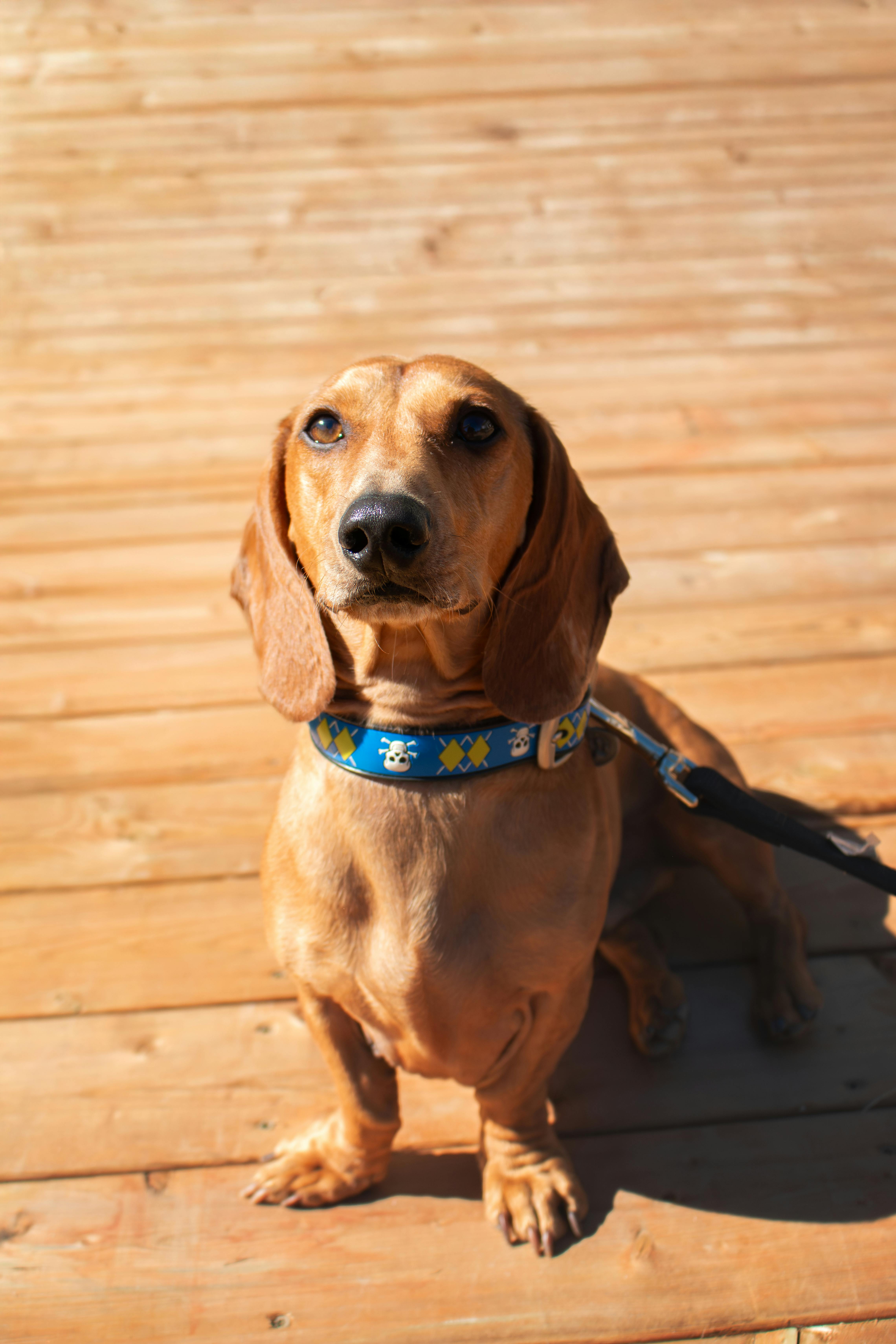
- Dachshunds
- Maltese
Their short legs can’t generate enough power for pulling, and they’re more prone to fatigue, joint strain, and injury when running long distances.
Shorter walks, agility courses, and mental enrichment games can keep these dogs happy and active.
3. Giant Breeds Prone to Joint Issues
Large and giant breeds are more prone to joint and bone issues, such as hip dysplasia and arthritis. Canicross requires running, which can put too much strain on their joints, leading to long-term damage.
- Great Danes
- Mastiffs
- Saint Bernards
- Newfoundlands
- Irish Wolfhounds
Giant breeds have a lot of weight to carry, making high-impact sports like canicross risky for their bones and joints. Running on uneven trails can increase the risk of injury.
Hiking, swimming, and play sessions are better ways to keep these dogs active while protecting their joints.
4. Senior Dogs & Pets with Health Concerns
As dogs age, they naturally lose muscle strength and joint flexibility. High-impact activities like running can make arthritis and other mobility issues worse over time.
Signs That a Senior Dog Should Avoid Canicross:
- Stiffness when getting up
- Limping after exercise
- Slower movement than usual
- Joint swelling or past injuries
Older dogs have a higher risk of injury and often experience joint pain from arthritis or hip dysplasia. Running long distances can accelerate joint deterioration.
Senior dogs often enjoy leisurely walks, swimming, snuffle mats, or gentle play that keeps them moving and mentally engaged.
5. Couch Potato Dogs Need to Start Slow
If your dog is overweight or not used to regular exercise, it’s important to start slowly and build up their stamina over time. To begin with, hiking can be a great first step since it’s lower impact than running but still gets your pup moving. As you increase activity levels, keep in mind that running can put extra strain on the heart, joints, and muscles. Because of that, couch potato pups may struggle with the physical demands at first. Gradual conditioning can prepare your dog to be more active without getting injured.
Signs to Build Fitness Before Canicross:
- Gets out of breath quickly
- Struggles to walk long distances
- Has difficulty getting up from lying down
- Excessive panting even in mild exercise
Carrying extra weight makes running harder on the joints, heart, and lungs. Overweight dogs overheat more easily and are at higher risk for injuries and exhaustion.
Start with short, slow walks and gradually increase activity levels. A vet-approved weight loss plan combined with controlled exercise is the safest approach.
6. Puppies Should Not Run Long Distances
Puppies should not start canicross too early, since their bones and joints are still in the process of developing. During this critical growth stage, high-impact activities like running and pulling places too much stress on their bodies. As a result, there’s a higher risk of growth plate injuries and long-term joint problems. To keep your pup safe and healthy, it’s best to wait until they’re fully grown before introducing them to canicross.
Safe Age to Start Canicross:
- Small and medium breeds: Around 12-18 months
- Large and giant breeds: 18–24 months (since they take longer to mature)
Running and pulling too early can damage growing bones and lead to serious issues.
Let puppies enjoy short, playful walks, basic training, and socialization until they are fully grown.
7. Reactive Dogs May Struggle with Canicross
Some dogs have difficulty focusing in high-energy environments, especially if they’re reactive to other dogs, animals, or people. In those cases, running in an open setting could be stressful or even unsafe. But, with the right support, exercise can actually help calm reactivity over time. It’s a good idea to work with a trainer who can evaluate your dog’s behavior and offer support.
Challenges for Reactive Dogs in Canicross:
- Chasing wildlife or other dogs
- Lunging or barking at distractions
- Difficulty following commands while running
- Anxiety in unfamiliar environments
This could lead to accidents, injuries, or pulling the runner off balance.
Work on leash training, impulse control, and desensitization exercises before introducing canicross.
How to Know If Your Dog is Ready for Canicross
If you’re just getting started, it’s a good idea to make sure your dog is up for the adventure. Think about their overall health—are they free from joint pain or past injuries? Dogs that can handle longer walks or jogs without tiring are usually better suited for running. It also helps if your dog enjoys being active and is naturally eager to move with you. Focus is important too, especially if you’ll be running in exciting, distraction-filled places. And before you hit the trail, check in with your vet to be sure your pup is cleared for high-impact exercise.
Wrapping Up
Canicross is a fantastic sport, but it’s not the right fit for every dog. Always assess your dog’s health, and your own, before starting to ensure a safe and enjoyable experience.
We hope you found this article helpful! Happy trails!